Family and Friends
Createdby Martin(translated by Deepl)
anecdotal
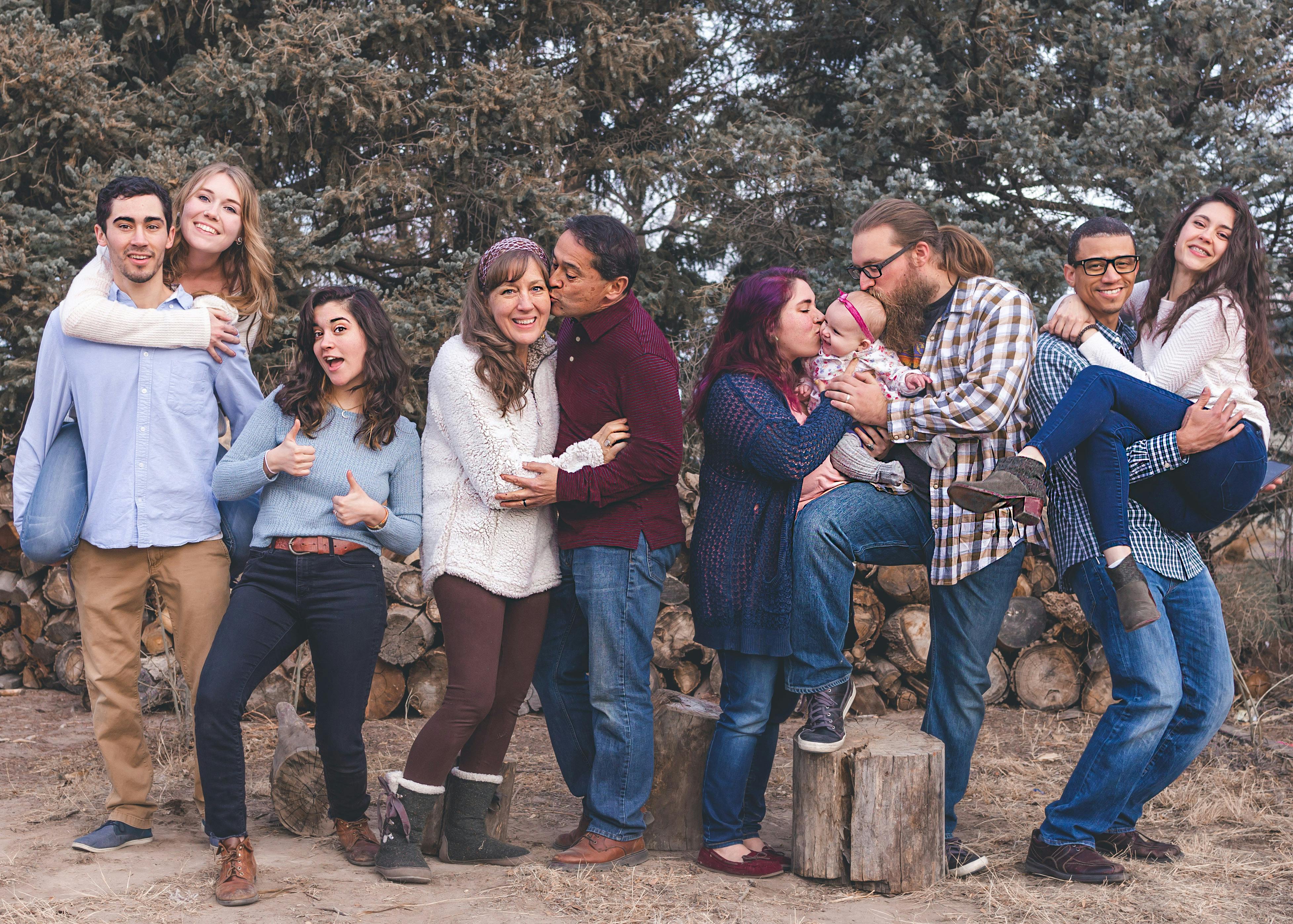
What is family and how do friends differ from them?
The first answer to this question is kinship. Family are the people I am related to by blood. My parents, grandparents, siblings, or children. But how far does that go? From the second degree onwards, the terms become very similar in German, and no real distinction is made anymore. In contrast to this, imagine you have a half-blood sibling you never get in contact with due to various reasons - what does this blood connection actually mean then? In addition to blood relatives, adoptive parents or siblings are also considered family, as are some friends with whom one has spent a lot of time or has a very close relationship. This implies that family is a closer form of friendship. Blood relationship alone is not a deciding factor.
Unfortunately, some people also have blood relatives with whom they no longer maintain close contact. However, these people may still remain family regardless of the interactions. So are the terms “family” and “friends” only loosely connected, and is it more of a coincidence that they are used together?
If I remember correctly, there are even cultures in which no distinction is made between family and friends. This raises the question of whether it is more of a cultural component.

I myself do not know the exact answer to these questions. However, I would like to emphasize here that in my Western European culture, it is very common in friendships and even more so in family relationships to quickly take it for granted that these bonds will remain intact without any effort to maintain them. Here I see a smoldering danger. For years and years you believe you are in a safe spot only to get the realization you lost a very important part of your social life in a situation where you most likely are in desperate need of it. But then it’s too late, and you might fall even deeper. Of course, this is a bit of fearmongering and an exaggerated picture. For all it’s worth, I always believe in people and that in those cases the lost friend or family member will be there for you even though they might be a bit more distant than you hoped for.

Friendships are based on the principle of balance. Both parties should be on an equal footing and not have a one-sided dependency. Usually a friendship will fade out when there is only one party putting a lot of effort into the relationship and doesn’t get something back in equal value. In the family environment, however, I see a stronger dynamic in relationships compared to friendships.
For purely biological reasons, the principle of balance is not the same - maybe it’s not actually existing. As a child, you are inherently more dependent on your parents than vice versa. With age, this relationship is reversed.
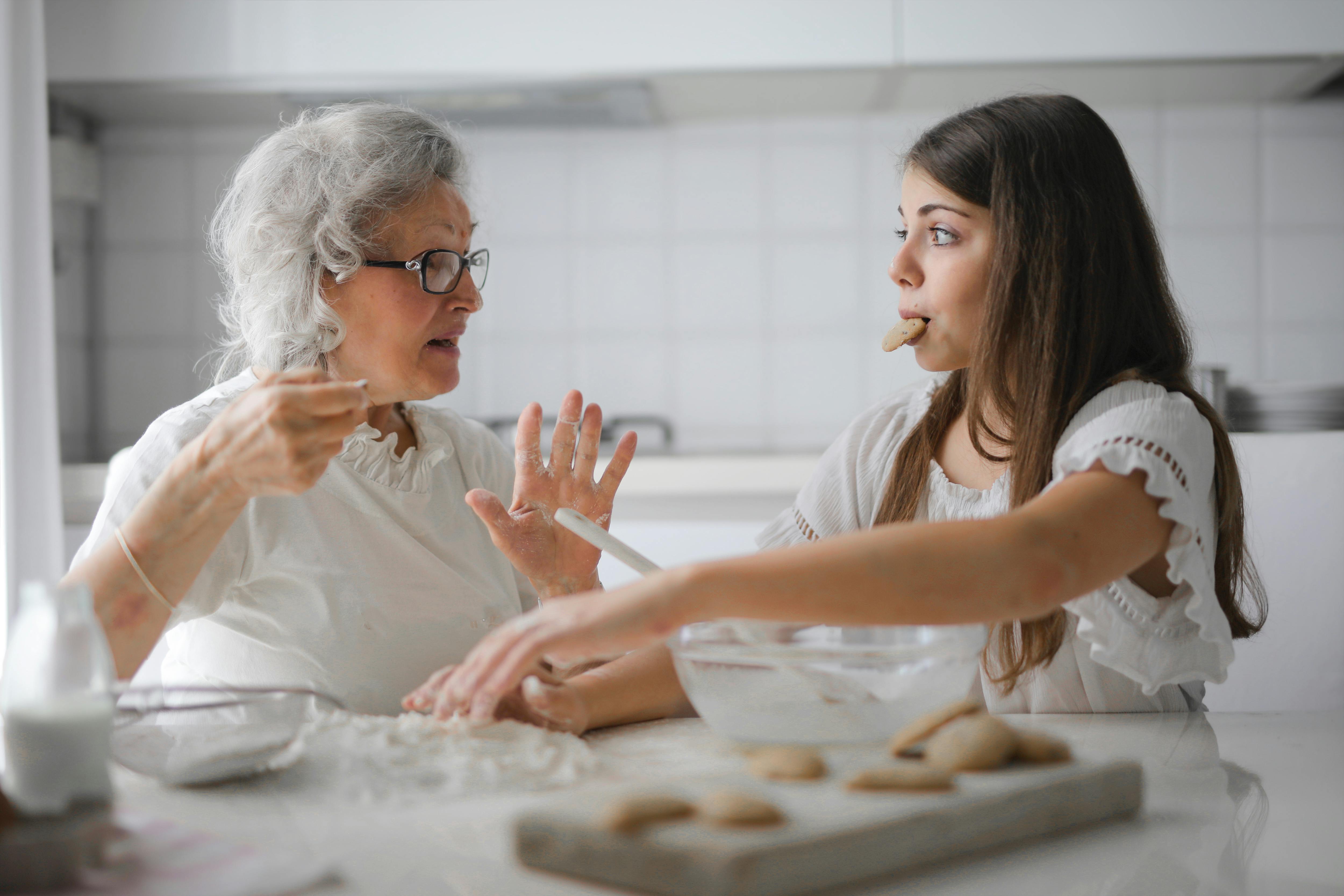
This is an interesting power dynamic. In some cases, this biological dependence also becomes psychological. Parents may put their adult children in a position of obligation because the children have been taken care of over years and years by their parents, and at some stage of age, the parents expect their children to take care of them. But the children did not choose this. The urge to care for their parents is solely the responsibility of the children. Purely out of obligation, children will not truly care, but with a healthy connection to their parents, it will be their own desire like caring for a good friend. I would even go so far as to say that by maintaining contact with their children, parents can actually strengthen their children’s need to care for them. But I would also recommend that every child maintain a connection with their parents, because you tend to regret it when that opportunity is no longer there.
Note: This is an anecdotal text and unfortunately is not based on any scientific sources. Friendsaver wants to help you become a better friend. These texts are intended to encourage you to rethink your behaviour and adjust it if necessary. We currently lack the resources to conduct scientific research or refer to scientific sources. If you are able to assist us in this regard, please contact us via Instagram or LinkedIn. We would like to create scientific knowledge articles for friends in the future. Thank you for reading.
About the author: Martin is the founder of Friendsaver. He is a software engineer with a master's degree in telematics and over 15 years of professional experience in software development. As a social introvert, he overthinks topics and has a good group of friends and family who forgive him for not reporting in so much.